Yuri’s Internment Camp Experience
On the evening of December 7, 1941, the same day as the bombing of Pearl Harbor, Yuri’s father was arrested by FBI agents as a potential threat to national security. The FBI was suspicious of photographs of Japanese naval ships found in the family home and his friendships with prominent Japanese figures. Her father was in poor health at the time of his arrest and his six-week detention aggravated his health problems. By the time he was released on January 20, 1942, he had become too sick to speak and died the day after his release.
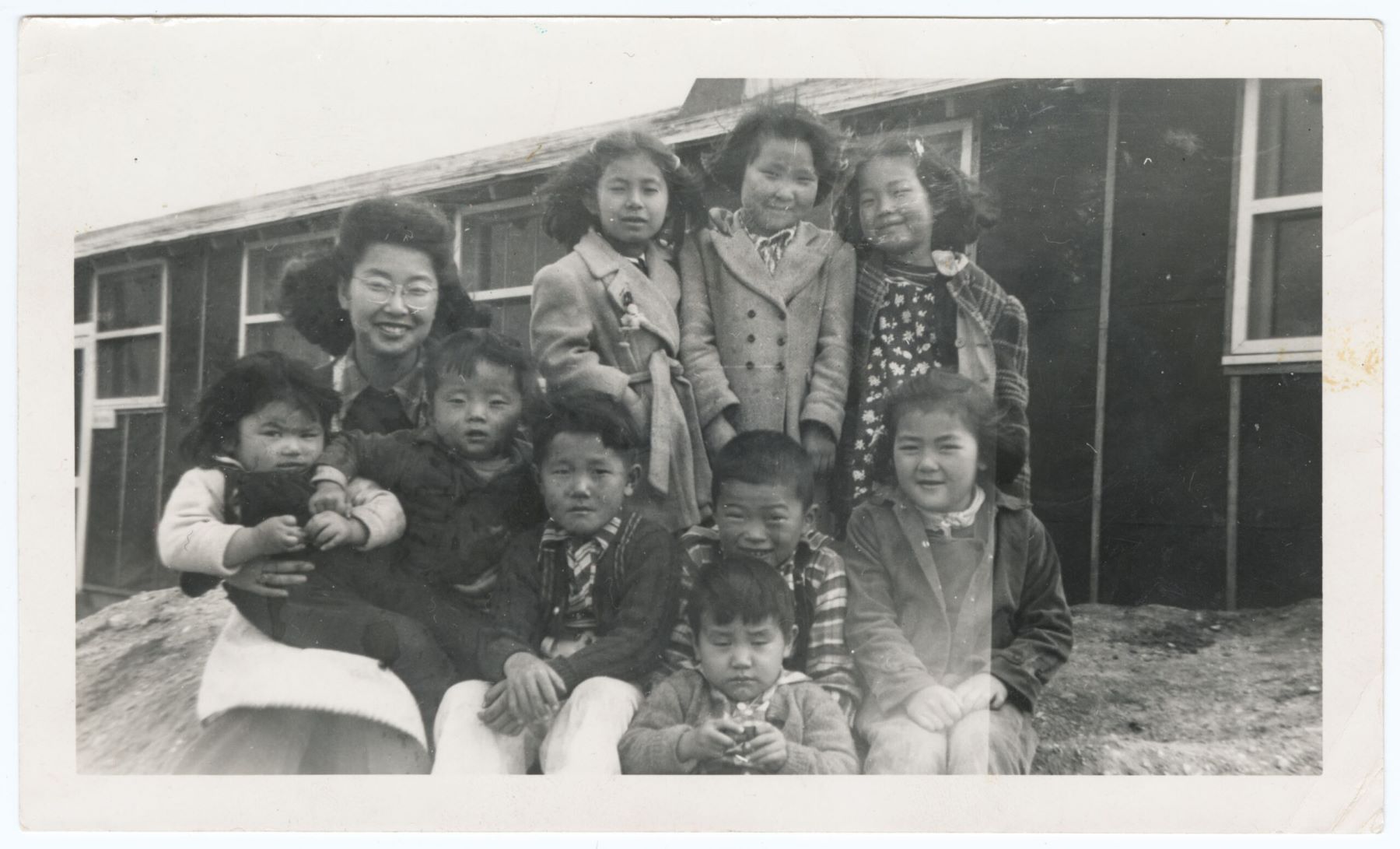
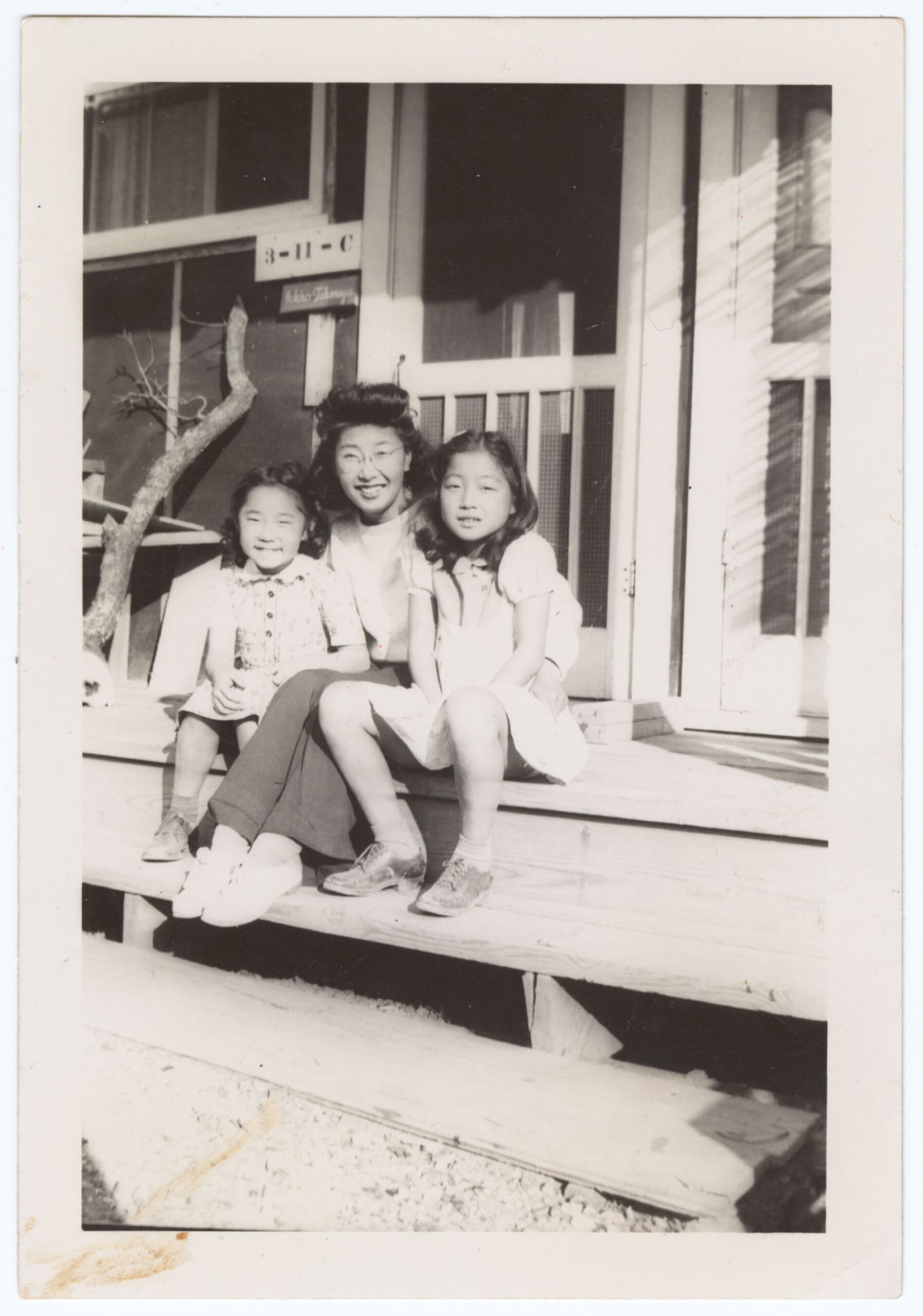
After Executive Order 9066 was signed into law, Yuri, her mother, and Arthur were sent to the Santa Anita Assembly Center, a former racetrack, where they were housed in horse stalls that were made into barracks, the smell of manure infiltrating through the floor and their makeshift curtains offering little privacy among their neighbors. Despite the isolation, uncertainty of release, and the conditions of the internment camps, the internees bonded together.
While at the Santa Anita Assembly Center, Yuri worked as a Sunday school teacher, a nurse’s aide, and formed a group called the Crusaders who wrote letters to bolster the spirits and show support for Nisei (Japanese soldiers fighting in WWII) soldiers fighting overseas.
Her family was eventually incarcerated at Camp Jerome, a swampland surrounded by forest in Arkansas, where life was very similar to Santa Anita.
Though Yuri and many of the interned second generation Japanese Americans had grown up “All American” and did not identify themselves with their Japanese heritage, they felt betrayed by their country and some started to learn more about their Japanese culture and embrace their Japanese identity, even opting to “return” to Japan, a country that they had never even seen.